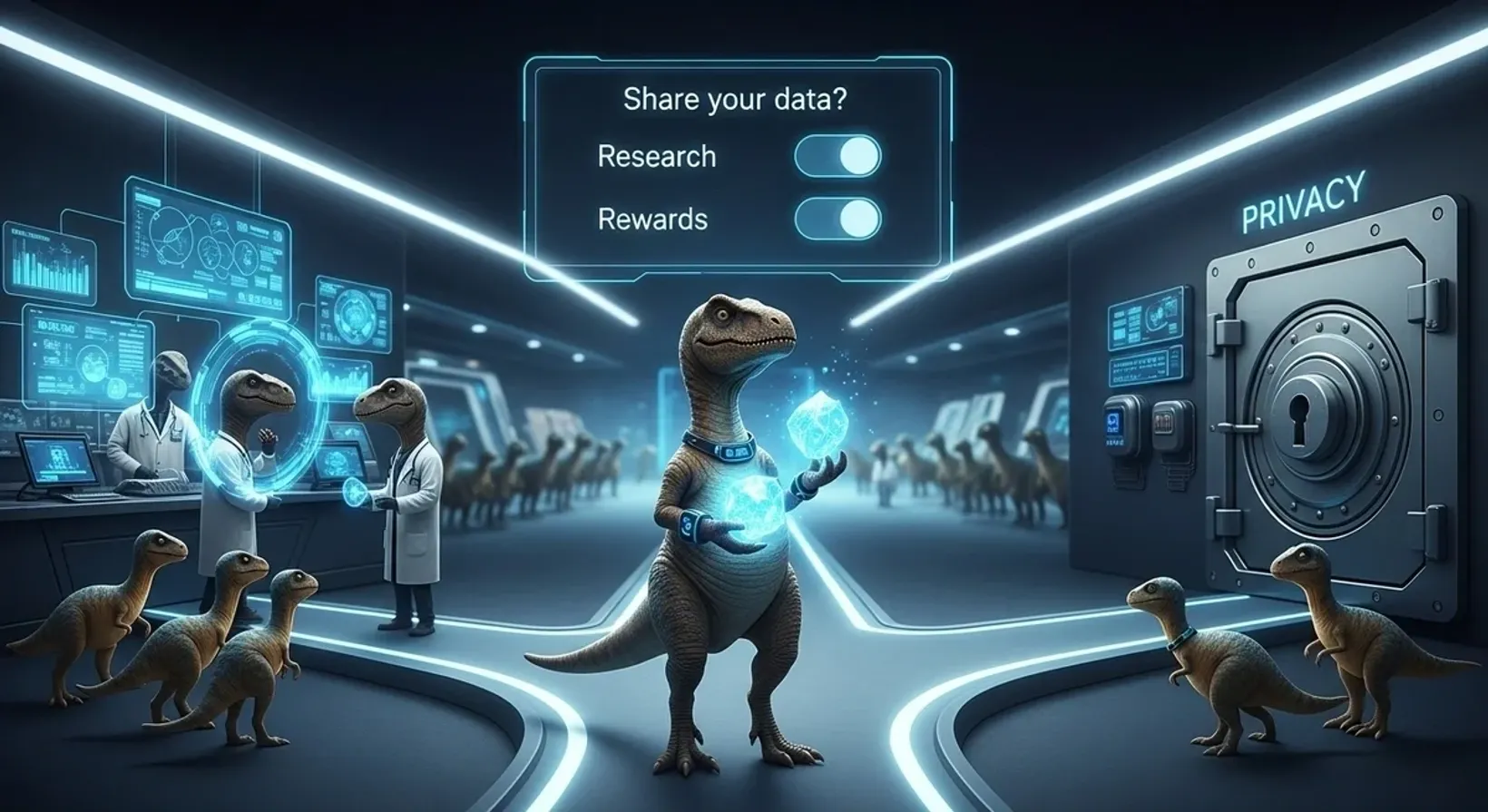
In today’s digital-first world, healthcare data is one of the most valuable and sensitive types of information that exists. Every time you visit your doctor, wear a smartwatch, or use a wellness app, your health story grows richer and more complex. But it raises an important question: Who really owns your health information?
The Data Dilemma: Privacy vs. Progress
Patient data drives innovation. It powers life-saving research, helps providers personalize care, and fuels the next generation of digital health tools. Yet, this same data is deeply personal reflecting everything from medical conditions and genetic history to mental health and lifestyle patterns.
The balance between data privacy and data-driven progress is at the heart of the healthcare revolution. Patients want better care and personalized experiences but not at the cost of losing control over their most private information.
Would You Share Your Health Data for Research?
Imagine your anonymized medical records contributing to a breakthrough cancer treatment or helping predict early signs of Alzheimer’s. Many people support using patient data for good, especially when it’s protected and anonymized.
However, concerns remain around:
-
Transparency: How is the data used and by whom?
-
Consent: Are patients truly opting in, or is sharing buried in fine print?
-
Security: Can sensitive health information ever be truly de-identified?
The willingness to share often depends on trust in healthcare institutions, technology platforms, and the data safeguards in place.
Should Patients Be Paid for Their Data?
As health data grows more valuable, a provocative idea is gaining traction: Should patients be compensated for the use of their information?
Pharmaceutical companies, insurers, and tech innovators routinely benefit from aggregated patient data. Some argue that individuals deserve a stake in that value, either through direct payments or benefits like discounted care or personalized insights.
Others caution that monetizing patient data could create ethical challenges—like unequal access to care or the commodification of privacy itself.
The Future of Health Data Ownership
The path forward lies in empowerment and transparency. Patients should have:
-
Clear visibility into how their data is used.
-
Control over consent and sharing preferences.
-
Confidence in strong privacy protections and responsible innovation.
Emerging technologies like blockchain for secure data sharing and AI-driven consent management tools are helping make this future possible.
At Rapptr Labs, we believe the next era of digital health depends on trust, design, and transparency. By creating patient-first digital experiences, we can build a healthcare ecosystem where innovation and privacy go hand in hand.
What do you think?
Would you share your health data for research if you knew it was secure and anonymous?
And should patients be rewarded for their data’s value?